
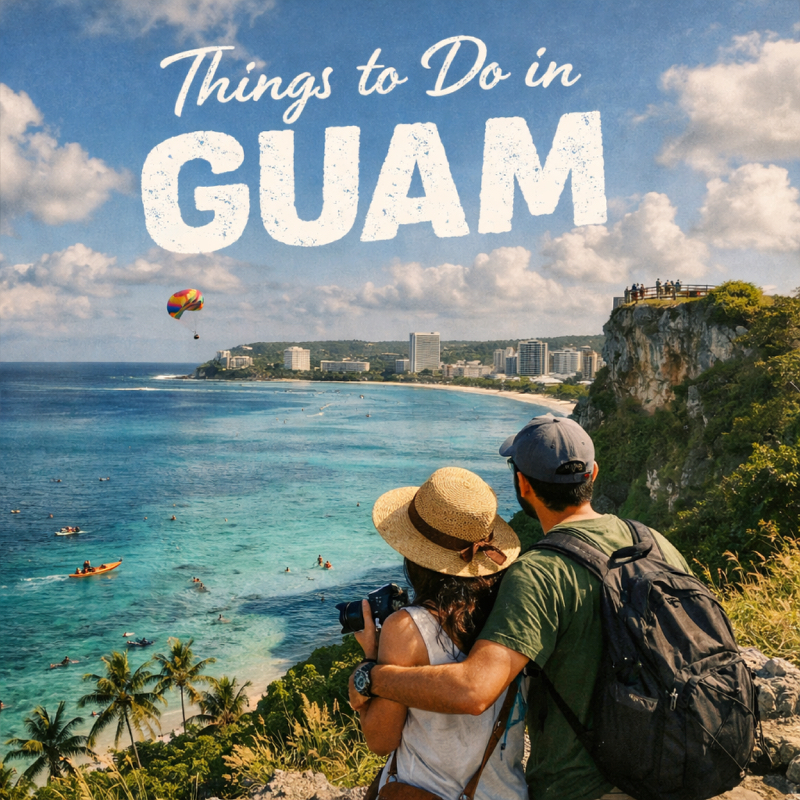
🎯Too Long; Didn’t Read
Guam’s size works in its favor—you can cover a lot without hassle.
- Tumon delivers easy beach time and snorkeling right offshore.
- For panoramic views, Two Lovers Point is the move.
- Wednesday nights mean the Chamorro Village Market: go for the food, stay for the culture.
- To understand the island’s past, key WWII sites include the War in the Pacific park and the Guam Museum in Hagåtña.
Renting a car unlocks the south. Inarajan Natural Pool, Fort Soledad, and Talofofo Falls are all worth the drive.
Ready for a tough hike? Mount Lamlam challenges. Alternatively, Valley of the Latte combines guided culture and nature in one trip.
Guam’s size lets you explore without a deadline, yet never runs out of ways to fill your time. Think beaches and World War II relics, night markets and jungle hikes. Snorkel a reef, then take a drive where the view shifts fast. Tumon’s hotel strip and beach bars give way abruptly to the south’s quiet villages and cliffs.
This list blends the classic first-timer stops with places locals and return visitors seek out. No fluff. Just what’s actually worth doing.
Start with Tumon Bay: Beach time, easy wins, zero stress
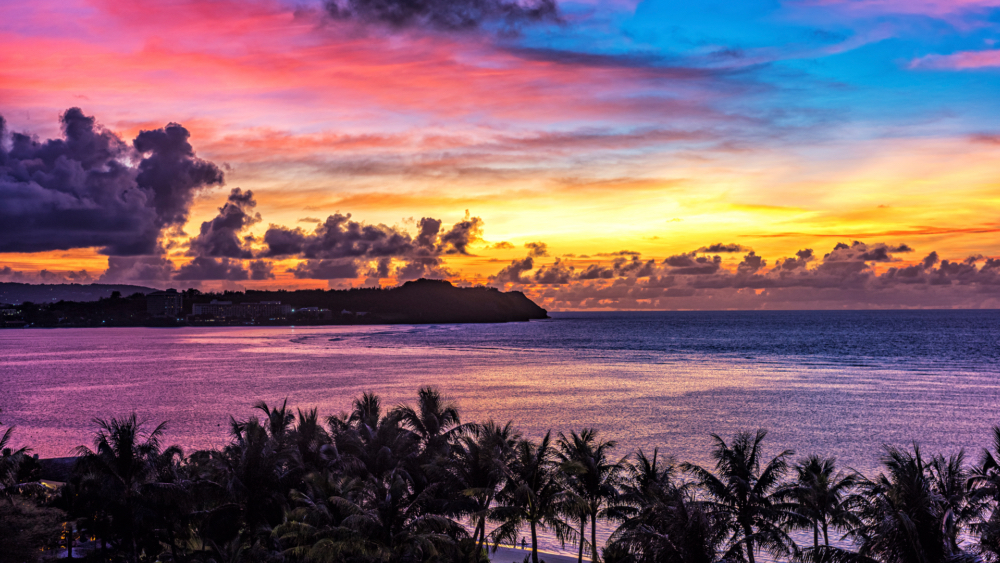
If you land in Guam and want the simplest “yes, I’m on vacation” moment, Tumon is it. It’s the main resort area, walkable, and built for travelers who want water + food + convenience.
Swim and float at Tumon Beach
Tumon Bay is calm compared to a lot of open-coast spots, so it works for slow swimming and beginner snorkeling when conditions are good. You can keep it simple: towel, water, sunscreen, done.
If you’re staying nearby, you can do Tumon in little slices:
- quick morning dip
- lazy midday float
- sunset walk when it cools off
Try low-effort ocean activities
Not everyone wants a hardcore dive plan. Tumon makes it easy to keep things light: snorkeling, paddling, and casual water time.
If you’re traveling with kids (or just want something chill), this area is the least complicated place to start.
Two Lovers Point: Big views, quick stop, worth it
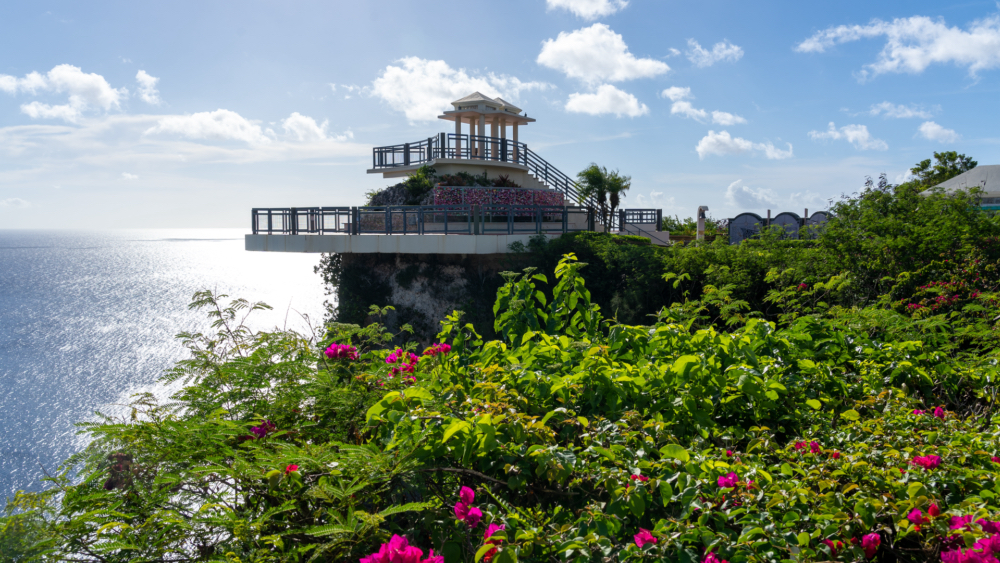
Two Lovers Point (Puntan Dos Amantes) is one of those places people roll their eyes at… until they go. The lookout is legit, and it’s an easy win if you want a high-impact view without a long hike.
Go for the scenery. Take photos. Leave. Simple.
(And yeah, it’s popular for a reason.)
Snorkeling that actually delivers (even if you’re not a pro)
Guam’s reef access is one of the best parts of the island. You don’t need to be an expert diver to see fish and coral. You do need to respect the ocean and pick spots that match your comfort level.
Piti Bomb Holes Marine Preserve (Fish Eye area)
This is a well-known snorkeling zone, and people like it because it’s accessible and you can see a lot without going far. TripAdvisor notes that snorkeling is popular here, with guidance on where conditions are often best.
If you’re trying to get in and out without drama, this is one of the more straightforward places to do it.
Quick tips so you don’t have a bad time:
- go earlier if you want calmer water
- wear reef-safe sunscreen
- bring water shoes (shore entries can be rough)
Want something more remote? Head north to Ritidian
Ritidian Point sits inside the Guam National Wildlife Refuge. It’s a different vibe: more nature, fewer buildings, more “let’s unplug.” The refuge is typically open Wednesday through Sunday, 7:30 a.m. to 4:00 p.m., and closed Monday/Tuesday (plus closures for hazardous ocean conditions).
This is the kind of beach you go to when you want space, not shopping.
History that hits harder in person
Guam’s WWII history isn’t just “a museum thing.” You’ll see it in coastal defenses, memorials, and preserved sites. If you’re even mildly curious, set aside a half-day. It adds depth to the trip.
War in the Pacific National Historical Park (Asan Beach Unit)
The Asan Beach Unit includes remains of wartime defenses and memorials connected to the battle for Guam.
It’s not a theme-park experience. It’s quiet, reflective, and real.
Walk it slowly. Read the signs. Let it land.
Add a museum stop in Hagåtña
Hagåtña (the capital) is where you can stack several cultural stops close together.
Guam Museum is a solid way to get context on Chamorro history, the island’s story, and how everything fits together. Visit Guam lists it as open daily 10 a.m. to 4 p.m.
(Always smart to double-check hours before you go, but it’s a dependable daytime plan.)
Wednesday night plans: Chamorro Village Night Market
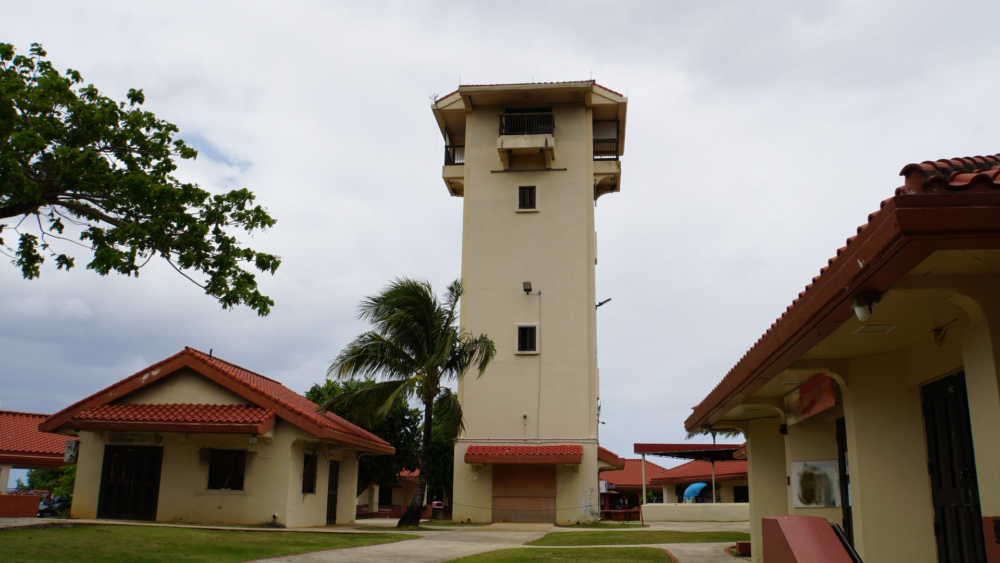
If you only do one “local culture + food” event, make it this.
Chamorro Village is open daily, but it’s best known for its Wednesday Night Market with food stalls, crafts, and performances.
Expect crowds, smoke from grilling, and a lot of browsing. The energy is casual, not fancy. Come hungry. Try a bunch of stuff. Don’t overthink it.
What to do there besides eating
Yes, the food is the headline. But the night market is also good for:
- small local crafts and souvenirs
- local produce stands
- watching cultural performances if they’re happening that night
If you’re traveling with friends, this is an easy “everyone’s happy” plan.
Go south: the island road trip you’ll remember
The south feels different. Less built-up, more coastline, more stops that aren’t trying to sell you anything. If you rent a car, you can do a southern loop day that’s stacked but not exhausting.
Inarajan Natural Pool
Inarajan’s natural pool is one of the most talked-about swim spots in the south. It’s an oceanfront pool area protected by coral barriers.
It’s a great break from open-water swimming, especially if the sea looks rough elsewhere.
Be respectful here. It’s not a resort. Clean up after yourself.
Fort Soledad in Umatac
Fort Nuestra Señora de la Soledåd (Fort Soledad) is a Spanish-era fortification above Umatac Bay. It’s known for the view and the history, and it’s one of the clearest “Spanish chapter” sites on Guam.
It’s a fast stop, but it adds variety to a beach-heavy itinerary.
Waterfalls and parks: Talofofo Falls
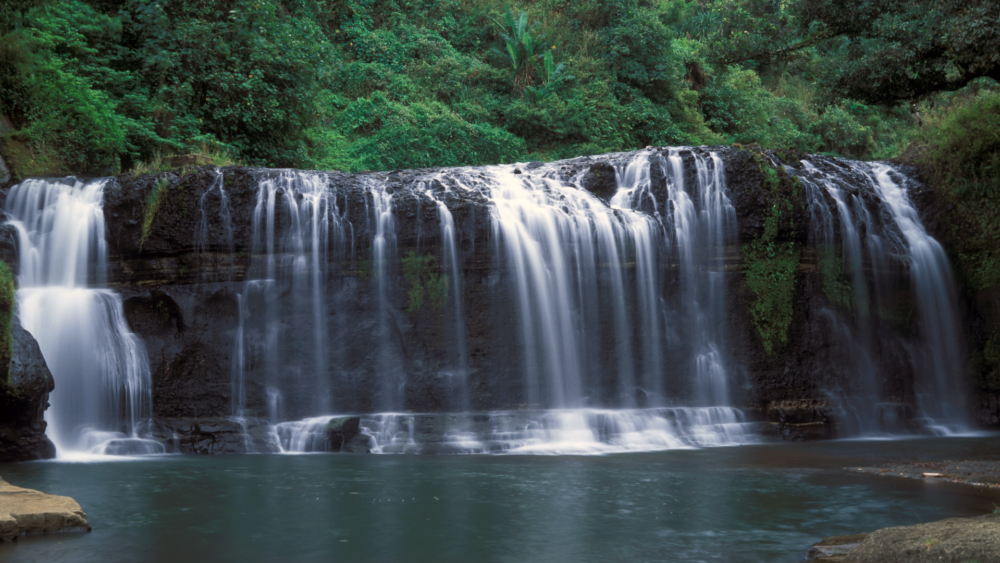
Talofofo Falls rates as a standard waterfall visit on Guam. Its infrastructure—a cable car system, various on-site features—is documented by Visit Guam.
For travelers covering the south or circling the island, the stop makes a logical pivot. Chuck it into the itinerary for a shift in terrain.
Hike Mount Lamlam if you want a real sweat
This hike is no stroll. For a definitive Guam accomplishment, Mount Lamlam is the standard. The route measures roughly 2.7 miles. Expect a demanding 833-foot climb; the trek typically consumes an hour and a half to two, depending on your pace and the day’s mood.
Guam heat is scorching. Mornings are your friend. Carry double the water you initially pack. Footwear matters—choose shoes that grip and won’t betray you on the rugged, uneven path.
Ultimately, this is a straightforward chore: conquer it, feel that pride, then focus on the well-earned meal waiting afterward.
Do something cultural outdoors: Valley of the Latte
If you want a guided experience that isn’t just “look at stuff,” the Valley of the Latte is worth a look. They offer river cruise and outdoor activities as a cultural adventure option.
This works well if:
- you’re traveling with family
- you want culture + nature in one package
- you prefer structured plans over DIY exploring
A few easy “good choices” for your Guam itinerary
Not everyone wants to build a spreadsheet vacation plan. So here are a few clean combos that work.
If you have 2 days
Day 1: Tumon + views
- Tumon Beach time
- Two Lovers Point before sunset
Day 2: History + night market
- War in the Pacific (Asan Beach Unit)
- Guam Museum in Hagåtña
- Chamorro Village Night Market (Wednesday)
If you have 4–5 days
Mix north, south, and water:
- Tumon + snorkeling day
- Ritidian / Guam National Wildlife Refuge day
- Southern loop: Inarajan Pool + Fort Soledad
- Mount Lamlam hike day
- Valley of the Latte tour day
You’ll get variety without running yourself into the ground.
Practical travel notes (the stuff people forget)
Getting around
If you want freedom, renting a car makes Guam way easier. Tumon itself is walkable, but once you start chasing beaches, viewpoints, and the south… you’ll want wheels.
Ocean safety: keep your ego out of it
Conditions change. Some days are calm, some days aren’t. If the water looks sketchy, don’t force it. Pick another spot, or keep it a beach day.
Respect local spaces
Guam is welcoming, but you’re still a guest. Be polite, don’t litter, don’t mess with wildlife, and don’t treat every place like a photo set.
❓FAQ❓
What currency do I need in Guam?
U.S. dollars. Coming from the mainland means no exchange needed—keep the cash you have.
What language do people speak?
English works everywhere. Chamorro holds official status too.
What time zone is Guam in?
Guam operates on Chamorro Standard Time, UTC+10. No Daylight Saving shifts happen here.
Do I need a power adapter for chargers?
For power, outlets are Type A and B: 110V, 60Hz. Same as the U.S., so most U.S. plugs work with no sweat.
Is Guam expensive?
Costs compare to pricey U.S. tourist hubs, particularly in Tumon. Save money by hitting local eateries and focusing on beaches, which are free.