🎯 Too Long; Didn’t Read
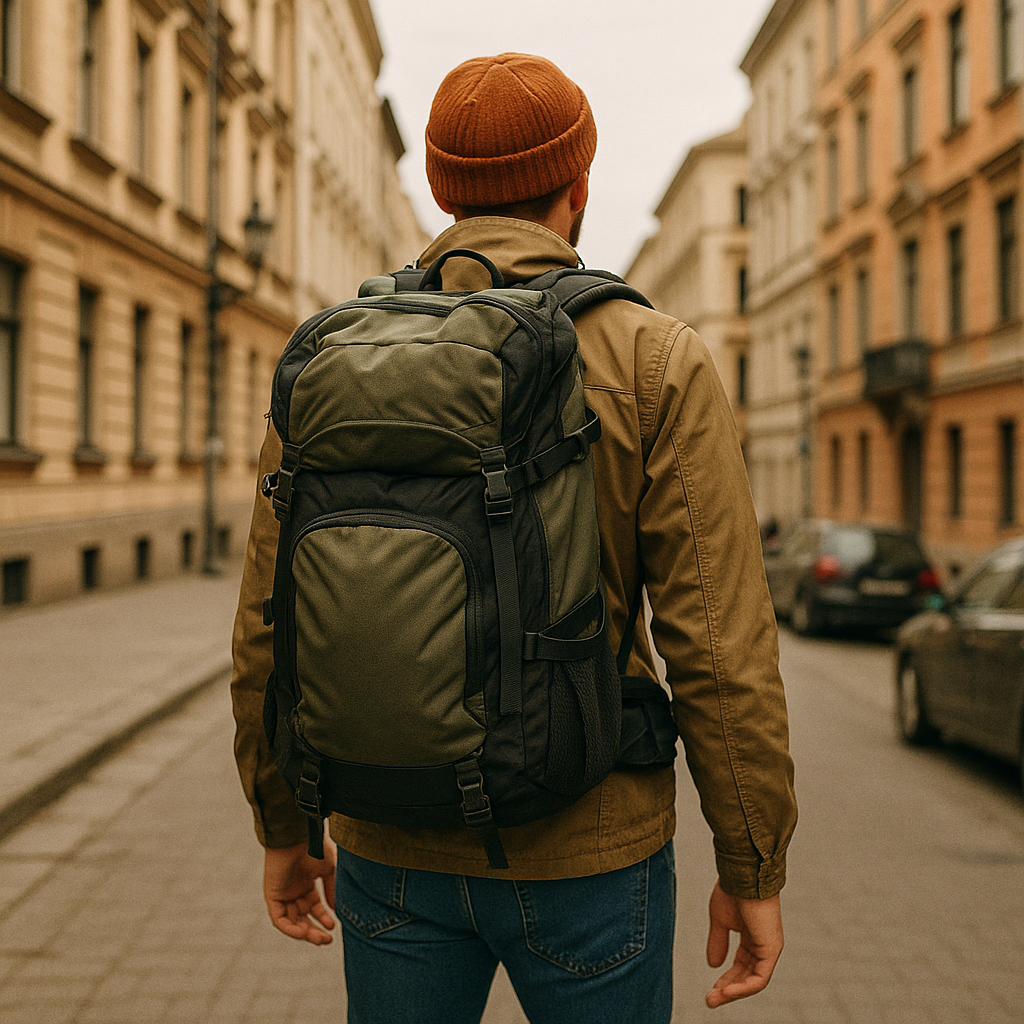
Traveling with a backpack under 45 liters? It’s freedom. You skip baggage fees, pocket the cash, and navigate without dragging extra weight.
- Pack basics: clothes that mix, match, and dry fast.
- Stick to two shoes—max.
- Toiletries? Go mini.
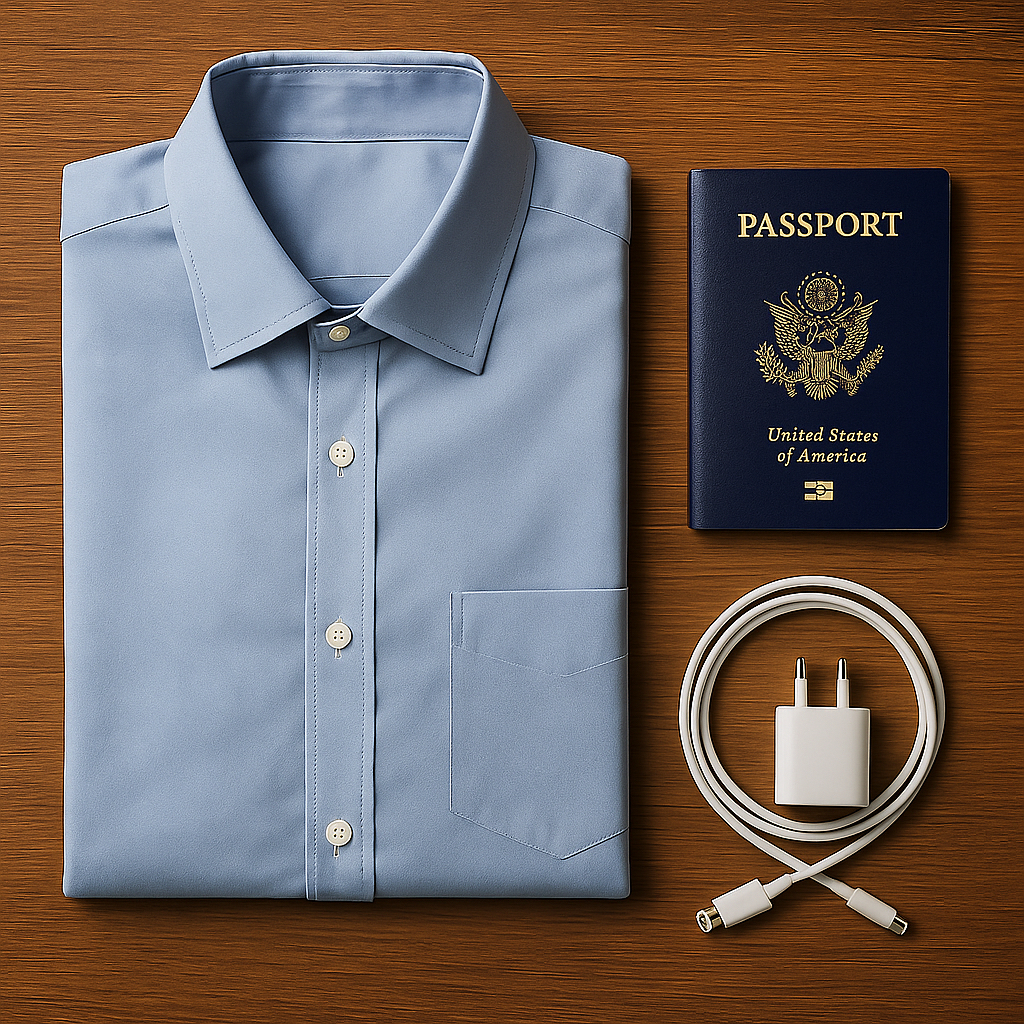
- Essentials only: phone, charger, universal adapter.
- Ditch the “just-in-case” clutter.
- Live lean, carry your world on your back. After a few days, that minimalism shifts from tight to outright liberating.
Pack less. Move more. That’s the philosophy behind backpack-only travel, and it’s not just a budget thing anymore. Plenty of travelers with cash to spare choose to ditch the suitcase and live lean on the road.
Why Bother With Just a Backpack?

You can walk off a plane or bus and start exploring immediately. No waiting at baggage claim. No dragging wheels across cobblestones while questioning your life choices. You’ve got everything on your back, which means you can pivot plans without hassle.
Airlines won’t charge you fees if you pack smart. Most backpacks fit as carry-on. That saves money and time.
Hostels, trains, buses, walking between neighborhoods—all easier when you’re not wrestling with luggage. You can take stairs two at a time. Hop on a scooter. Navigate crowds without plowing through people.
Choosing Your Pack
Size Matters More Than Brand
Don’t go above 40-45 liters unless you’re camping or traveling through winter climates for months. People assume they need more space. They don’t.
A 35-40 liter bag works for most travelers doing hostel-to-hostel trips. You’ll fit a week’s worth of clothes, toiletries, electronics, and still have room to spare.
Skip the 65-liter expedition bags. You’ll fill them because the space exists, not because you need what’s inside.
Features That Actually Help
Panel-loading beats top-loading. You can unzip your bag like a suitcase instead of digging through everything to find socks at the bottom.
Hip belts transfer weight from your shoulders. This isn’t optional if you’re walking more than fifteen minutes with your pack on.
Compression straps cinch everything down so your stuff doesn’t shift around inside. Less shifting means better balance and less fatigue.
Lockable zippers deter opportunistic theft. Not foolproof, but why make it easy?
The Clothes Issue
Think in Outfits, Not Pieces
Three bottom pieces: two pants or shorts, one extra. Two of these should be quick-dry material that you can wash in a sink.
Five shirts maximum. Three regular, two nicer ones if you care about that. Everything should work with everything else—no orphan pieces that only pair with one item.
One jacket. Make it count. Waterproof and packable, or warm and versatile. You won’t need both unless you’re hitting diverse climates.
Underwear and socks for seven days. Wash them weekly or more often. You’ll be doing laundry anyway.
Fabric Choices Change Everything
Merino wool doesn’t smell even after multiple wears. Expensive, yeah, but you’ll pack less and wash less frequently.
Synthetic athletic fabrics dry fast. Wash them at night, wear them the next day. Cotton takes forever to dry and gets heavy when damp.
Denim is dead weight. It takes up space, dries slowly, and offers nothing special. Skip it.
The Shoe Situation
Two pairs total. One for walking all day, one that works for casual situations where your hiking shoes look ridiculous.
Sandals count as pair number two for warm-climate travel. They dry fast, pack flat, and work for hostels and beaches.
Don’t bring heels or dress shoes unless you have specific events planned. The space isn’t worth it.
Toiletries Without the Drama
Buy travel-size containers and refill them. Airport security is real, and so are the liquid limits.
Solid alternatives solve many problems. Bar shampoo, soap bars, solid deodorant, toothpaste tablets. Less weight, no spills, no liquid restrictions.
One towel. Microfiber versions dry overnight and pack down to nothing.
Forget the full medicine cabinet. Pain reliever, antihistamine, basic first aid supplies. You can buy other stuff on the road.
What You Think You Need But Don’t
- Hair dryers. Most hostels and hotels have them. If not, your hair will dry.
- Multiple bottles of anything. Refill one container.
- Full-size products. No.
- Makeup beyond basics. You’re traveling, not filming a movie.
Electronics and Gear
The Core Setup
- Phone, charger, power bank. That’s baseline.
- Laptop or tablet if you work remotely or need it. Otherwise, your phone does enough.
- Universal adapter with multiple USB ports. It’ll handle all your devices and work across countries.
- Headphones. Buses get loud. Hostel roommates snore.
Optional But Useful
- E-reader weighs nothing and holds hundreds of books. Better than lugging paperbacks.
- Camera if photography matters to you. Phones work fine for most people. Don’t bring a DSLR unless you’ll actually use it.
- Portable charger cable that works for everything you own. Lose one cable, not three.
Organization Systems That Work
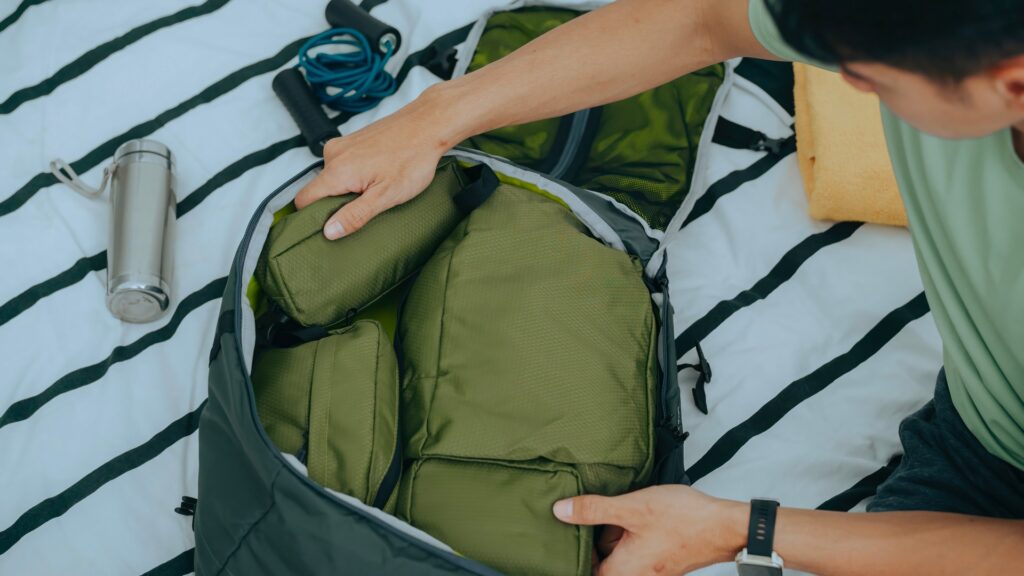
Packing cubes aren’t mandatory, but they’ll change how you pack. Sort by type: one for shirts, one for pants, one for underwear. You can find items without destroying your entire pack.
Stuff sacks work too—cheaper and more flexible than cubes.
Ziplock bags keep electronics, documents, and anything else dry. Pack a few extras.
Roll your clothes or fold them. Doesn’t matter much. Just be consistent so you know where everything is.
Keep frequently-used items accessible. Headphones, water bottle, snacks, phone charger. Don’t bury them at the bottom.
Laundry on the Road
Hand-wash in sinks every few days. Takes ten minutes. Hang stuff to dry overnight.
Bring a small container of concentrated detergent or those laundry sheets that dissolve. You need very little.
Laundromats exist everywhere. Use them when you’re tired of hand-washing. Costs a few dollars and everything gets properly clean.
Some hostels offer laundry service. You pay per kilo. Worth it sometimes.
The quick-dry clothes mentioned earlier become critical. Cotton underwear takes two days to dry. Synthetic versions dry in hours.
Day Pack Strategy
You need something small for daily exploration. Carrying your main pack around all day sucks.
Packable daypacks fold into nothing and work fine. Or use a tote bag. Or a drawstring sack.
Fits your water bottle, wallet, phone, camera, light jacket. That’s it.
Theft-proof bags with hidden zippers and slash-proof material exist if you’re paranoid or visiting pickpocket hotspots. Most travelers do fine with regular bags and basic awareness.
Things Worth the Space
Always Bring These
- Water bottle. Buying bottled water constantly burns through cash and creates trash.
- Lock. For hostel lockers and securing your bag.
- Pen. Immigration forms, hostels check-ins, taking notes.
- Photocopy or photo of your passport. Keep it separate from the original.
Consider Your Destination
- Sleeping bag liner for questionable bedding situations. Packs small, weighs little.
- Earplugs and eye mask for hostel life.
- Spork or basic utensils for impromptu meals from grocery stores.
- Duct tape or repair tape wrapped around a pencil. Fixes everything temporarily.
What to Leave at Home
- Guidebooks. Your phone has apps and internet. Paper guides are heavy.
- Just-in-case clothes. If you haven’t worn something in a week, you probably don’t need it.
- Valuables you’d be crushed to lose. Leave the expensive jewelry.
- More than one pair of jeans. You don’t need any, honestly.
- Converters. Universal adapters work better.
Living Out of Your Pack Daily
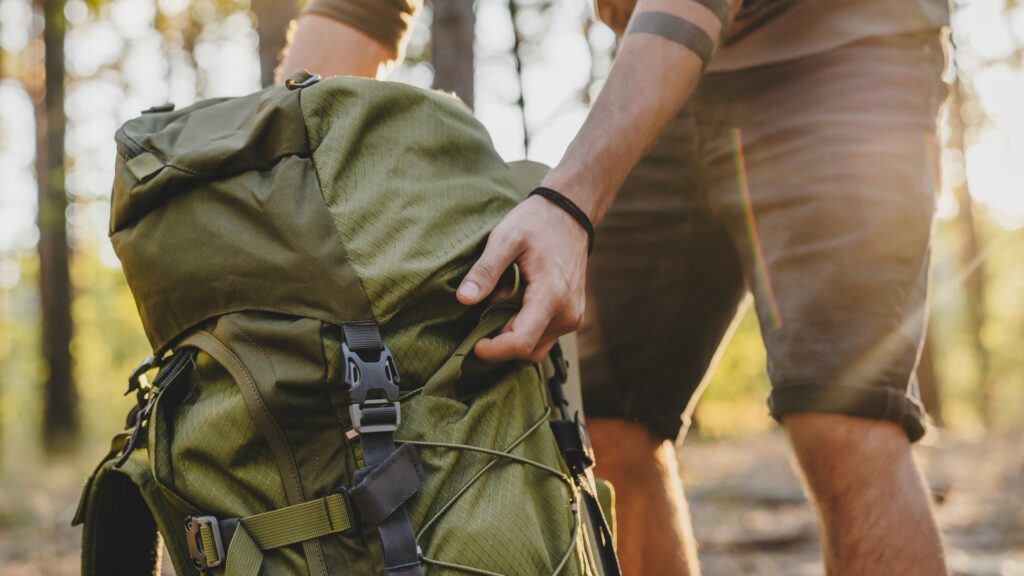
- Unpack completely at each stop if you’re staying more than two nights. Use the hostel storage, hang stuff up, spread out. You’re not camping.
- Repack every single time you leave. Don’t leave stuff scattered in six different locations. You’ll forget something.
- Weekly audit of your bag. Ask yourself: Have I used this? Am I actually going to? If not, donate it or mail it home.
The first week, you’ll realize you packed too much. That’s normal. Everyone does it. Send stuff home or give it away.
Climate Considerations
- Cold weather means layers. Base layer, mid layer, outer layer. You don’t need six sweaters.
- Hot weather means less clothes, but you’ll wash them more often. Pack more underwear, fewer tops.
- Rain gear matters in wet climates. Waterproof jacket and a cover for your backpack. Dry bag for electronics.
- Transitioning between climates? Ship winter gear ahead or buy and donate along the way. Don’t carry a parka through Southeast Asia.
Money and Documents
- Money belt or hidden pouch for passport, cards, cash. Wear it under your clothes.
- Separate your money. Some in your wallet, some hidden in your pack, some in the money belt. If one gets stolen or lost, you’re not screwed.
- Digital copies of everything on your phone and email. Passport, visa, insurance, credit cards, prescriptions.
- One credit card in your pack as backup. Different from the one you carry daily.
Mental Game
You’ll want to buy stuff. Souvenirs, clothes that seem necessary suddenly. Don’t. You have to carry it.
After two weeks, you’ll forget half of what’s in your bag exists. That’s proof you don’t need it.
Living minimally gets easier. The first few days feel restrictive. Then it becomes freeing.
People obsess over gear. The bag matters less than how you pack it. A cheap backpack packed smart beats an expensive one stuffed randomly.
❓FAQ❓
How do I fit a backpack into airline carry-on sizers?
Measure your packed bag’s dimensions against airline limits (typically 22x14x9 inches) before heading to the airport. Soft-sided packs compress to fit, avoiding gate-check surprises.
What if my backpack gets wet on the road?
Use a backpack rain cover or pack electronics in waterproof dry bags to protect contents during sudden downpours. Line the interior with plastic bags for extra damp-proofing on wet hikes.
How can I avoid back pain from carrying a heavy pack?
Adjust the hip belt to sit on your hips, not waist, and load heaviest items low and centered for balance. Practice short loaded walks at home to build endurance gradually.