
🎯Too Long; Didn’t Read
- Catch a sunrise boat ride on the Ganges for the calmest, most magical first look at the ghats.
- Go to Dashashwamedh Ghat for evening Ganga Aarti – arrive early, expect crowds, and stay alert with your bag.
- Walk the ghats from Assi to Manikarnika to see real daily life (but skip photos at cremation areas).
- Visit Kashi Vishwanath Temple with patience: modest dress, long queues, minimal valuables.
- Escape the intensity with a half-day trip to Sarnath for quiet gardens, ruins, and Buddhist history.
- Wander the old city lanes slowly – get lost on purpose, but keep an offline map + hotel card handy.
- Shop smart for Banarasi silk and crafts: choose reputable stores, ask about silk/zari authenticity.
- Eat your way through local favorites: kachori sabzi, tamatar chaat, lassi, plus sweets (pick busy stalls).
- Add a cultural night with classical music or a museum stop at Bharat Kala Bhavan (BHU).
- End the day on a rooftop with river views at sunset – bring a shawl, order chai, watch the city glow.
- For extras: try a heritage walk/photo tour, visit Ramnagar Fort, or book a yoga/meditation session to reset.
Sacred Ghats & River Rituals
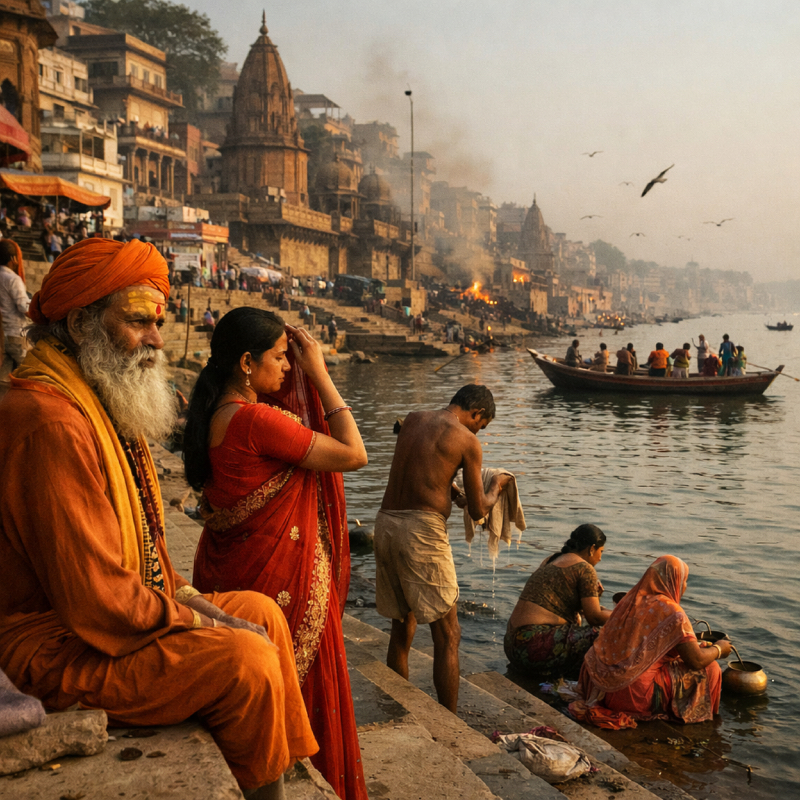
Sunrise boat ride on the Ganges
Go while the city still sleeps. Reach the river before dawn. A sunrise boat ride here isn’t just a tour; it’s how the city wakes. Priests chant, pilgrims sink into the water, and that first light – pure honey on the ancient ghats. Skip the generic tourist vessel. Choose a simple rowboat instead; the slap of oars is part of the experience. Hire private if you must, just to linger. Face the steps. Watch the scene unspool: laundry snapping on lines, bells cutting the mist, temple spires materializing.
Winter mornings bite – bring a layer. That phone? A dry bag isn’t a suggestion. Keep voices low; the calm is fragile. Confirm the price before you step in, and tip your boatman fairly. That part’s non-negotiable. Then just sit, and let the Ganges do the rest, until the mist lifts and the day takes over completely.
Evening Ganga Aarti at Dashashwamedh Ghat
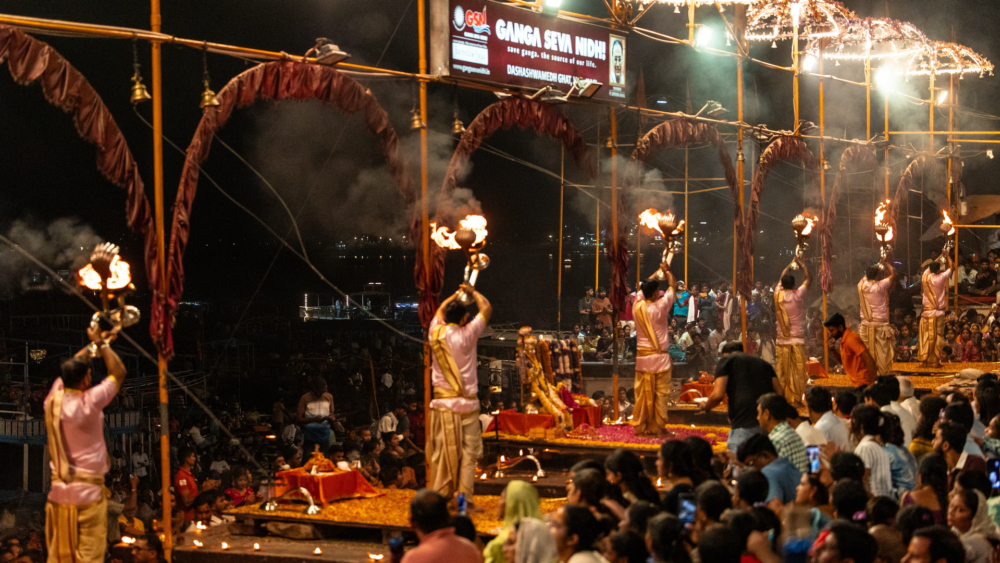
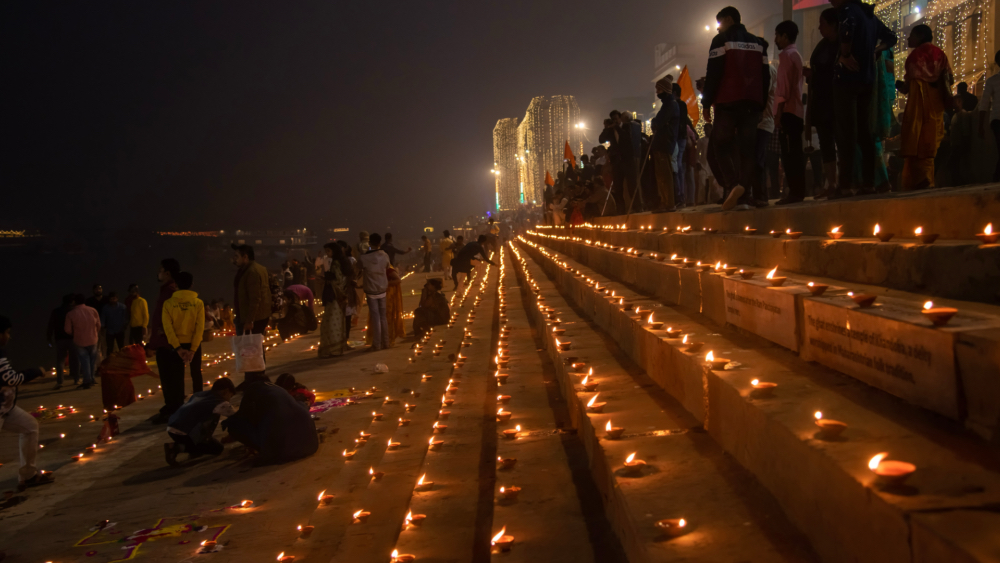
Dashashwamedh Ghat transforms at dusk. Forget a stage – this is raw, pulsing devotion. Arrive early. Claim a spot on the steps thirty, forty-five minutes before it all begins, or find a boat.
From the water, the view opens up: a sweep of lamps and a sea of people. The Ganga Aarti unfolds through sound and fire. Bells clash. Incense saturates the air. Conch shells blast. Priests heave massive flaming brass lamps in perfect, sweeping arcs, offering light to the river. It’s deafening. Hypnotic. The experience hits hard, religious or not.
Stay sharp. Zip your bag. Move with the crowd, not against it. Keep a sane distance from those ghee flames.
After the crescendo, quiet descends. Purchase one of the small leaf boats layered with marigolds and a single candle. Set it on the current. That’s it – a simple wish, floating away.
Walk the ghats: Assi to Manikarnika
To grasp Varanasi, walk its riverside. Leave the postcards behind.
Begin at Assi Ghat. Dig the scene: students with books, sadhus in ochre, locals swapping gossip. Then move north, following the water’s edge. Pass the bathing platforms, the shrines, the palaces whose paint flakes and fades. Notice the routines. Barbers shave heads. Laundry snaps on lines. Cricket matches explode with shouted appeals. Families cup marigolds, offering them to the Ganges.
Rest on the steps. Watch the choreography – the constant, flowing dance of daily life.
The walk closes near Manikarnika Ghat. Cremations occur here. This site holds deep meaning. Observe silence. No photographs. If the press of bodies or the heat of the pyres overwhelms, continue on.
Practicalities: arrive early, when the stone still holds the night’s cool. Sandals should survive uneven steps. Keep coins for chai. Pay, sip, move.
Temples, Spiritual Spots & Cultural Heritage
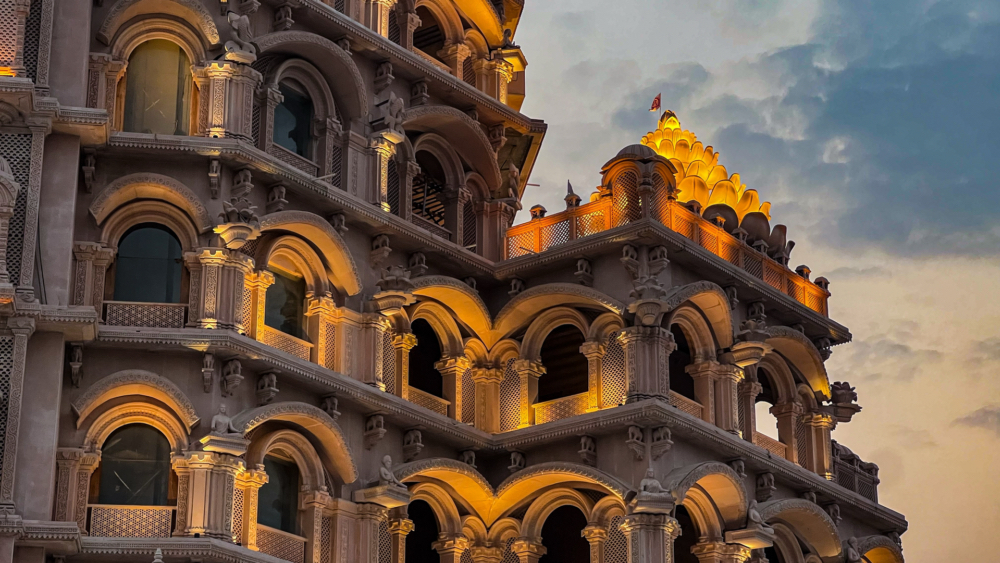
Visit Kashi Vishwanath Temple respectfully
Kashi Vishwanath draws countless devotees – its significance to Shiva worship means crowds are constant, energy intense. Modest dress is non‑negotiable. Shoes come off at designated spots. Prepare for queues, security scans; peak season amplifies both. Confused by rituals? Watch first. Staff and signage show the way. Mornings generally offer more calm than afternoons. Festivals, however, bring next‑level bustle.
Travel light: leave valuables behind, secure your phone. Photography isn’t welcome everywhere. Post‑darshan, pause off to the side. Breathe. Observe the shift as the temple’s current spills into the surrounding lanes. Store bags in official lockers if possible. Carry water – the wait demands it.
Explore Sarnath: Buddhism near Varanasi
Sarnath sits just beyond the city. It provides a quieter, greener contrast to Varanasi’s relentless buzz. This is the accepted site of the Buddha’s first sermon after his enlightenment. The landscape holds scattered monasteries and archaeological fragments. Explore the Dhamek Stupa. Drift through the peaceful gardens.
The Sarnath Archaeological Museum houses essential sculptures and early Buddhist symbols. Many visitors experience the place as restorative, a clear shift from the ghats’ sensory overload. Allocate half a day. Morning light is softer. Read the plaques – they transform weather-worn stone into narrative. A tuk-tuk gets you there; the trip is short and costs little.
Discover hidden shrines in old lanes
Beyond the famous temples, Varanasi hides its real pulse in plain sight. Tiny shrines cram into doorways. They crowd forgotten corners. Wandering the old lanes isn’t about sightseeing; it’s about noticing. A neighborhood deity watches from a wall. A sacred well appears underfoot. Temple bells – you hear them first, a sound that pulls you around a corner before you see the source.
Move slow. Let curiosity drive. Follow the incense. Track the bhajans. Duck after a small group carrying marigolds and sweets. The route unfolds this way: flower sellers. Sweet shops. Walls alive with scenes of gods and demons.
Hire a guide, but make it clear: explain the symbols. Tell the stories. Skip the rushed tour from spot to spot. The value is in these minor discoveries. They hold the city’s most personal fragments.
Old City Experiences & Local Life
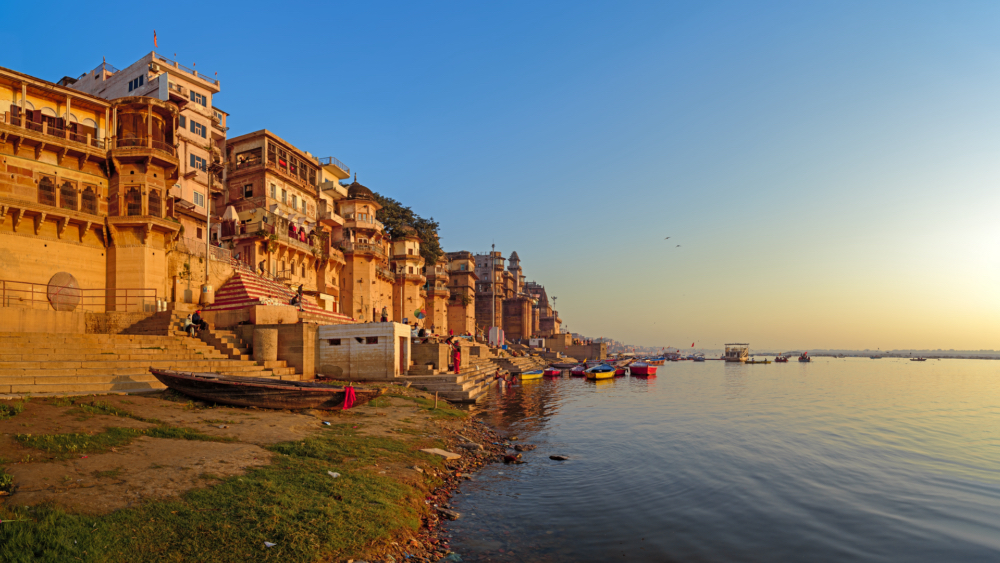
Get lost in the alleys of Old Varanasi
Navigating old Varanasi is a sensory puzzle. Alleys snake between centuries-old buildings. You pass spice stalls, tiny temples, workshops hammering out brassware. Don’t rush. Pick a landmark – a distinctive sign, a particular shop – and know you’ll lose it. The soundtrack layers bicycle bells, chanting from above, vendors hawking jalebi and marigolds.
Comfortable shoes are essential. Carry water. Yield to cow traffic and weaving scooters. If it all gets too much, head downhill. The ghats and the river always provide orientation. An offline map helps; your hotel’s business card is a safer fallback for asking directions.
Shop silk sarees and handicrafts
Varanasi produces Banarasi silk, known for dense brocades, zari detailing, and complex designs. When shopping, seek out established stores or weaver cooperatives. Learn to distinguish pure silk from blends. Inquire about the weave, the time required for completion, and whether the zari is genuine or imitation.
Full sarees aren’t the only option. Scarves, stoles, and fabric pieces offer the same craft and pack light. Consider brass puja items, wooden toys, or handmade jewelry for smaller gifts. Visit several shops. Negotiate with courtesy. Secure receipts for more expensive purchases. Steer clear of touts giving a hard sell. Prefer vendors who break down their pricing without hesitation.
Try street food: chaat, lassi, and kachori
Eating in Varanasi is a pungent, earthy dive into the street. Morning might begin with kachori sabzi – crisp bread giving way to spiced filling, dunked into a thick potato curry. Seek out chaat stalls. Tamatar chaat is a must: hot, sharp, piled with sev and drizzle of chutney. For relief, order the lassi. Thick, topped with malai and crushed nuts, it comes in a clay cup that smells of damp earth.
Dessert means rabri or whatever sweet sells fastest at crowded, bustling shops. Prioritize stalls that look clean. Stick to bottled water. Manage the spice unless your gut is iron. Evenings suit a stroll along the ghats with roasted peanuts or a simple paan to finish. The experience is in the bite, the heat, the crowd.
Art, Music & Evening Vibes
Attend a classical music performance
Varanasi lives and breathes Indian classical music. Attend an evening concert. It gets under your skin. Programs feature the sitar’s shimmer, the tabla’s complex rhythms, the sarod’s depth, or vocal styles like khayal and thumri. Venues range from cramped, intimate halls to formal cultural centers, especially during festival season.
Arrive promptly. Phones off. Let the raga develop slowly – this art form demands and rewards total attention. Beginners should listen for the conversation between rhythm and melody, not the theoretical rules. An hour can genuinely shift your state, leaving you calmer, more grounded. Dress conservatively. Secure tickets through your hotel or the venue’s official desk, not random touts.
Visit Bharat Kala Bhavan Museum
For deeper regional insight, visit Bharat Kala Bhavan at Banaras Hindu University. The museum’s collection – paintings, sculptures, textiles, miniatures – unspools North India’s cultural layers. It’s an escape from the crush. Galleries stay calm, labels clarify street sightings. Trace the needlework in fabrics, spot devotional images repeated on temple walls and pasted-up posters outside.
Afterwards, wander the BHU campus. It functions as a self-contained academic village, quieter than the city. Time it for mid-day when the heat peaks; use it as shelter.
Rooftop cafés and sunset viewpoints
Temples and alleyways fade behind. Find a rooftop café facing the river. Sunset here doesn’t just happen – it unfolds. Boats drift. The ghats lose their edges, becoming silhouettes. Gold bleeds into violet across the sky.
Secure a table early, especially near Assi or the central ghats. The walk back is easier from there. Order chai. Maybe a thali. Watch the city exhale.
Use this lull. Jot notes, sort the day’s photos, sketch out a plan for that morning boat ride. Bring a shawl – those river breezes get cool fast. For a quieter vibe, scope out spots with lower music volume. Just watch. The evening does the rest.
Day Trips & Unforgettable Add-Ons
Take a heritage walk or photography tour
Skip the generic tour. A guided heritage walk in Varanasi provides context, not just curiosity. It digs deeper. Solid itineraries weave through hidden temples, age-old trading streets, and traditional akharas – those gritty wrestling grounds. They uncover stories cemented in specific corners. For photography, sunrise is prime. Lanes stay quieter. The light spills gently over river steps and brick facades.
A local guide proves crucial, signaling sensitive spaces where cameras should lower, particularly near cremation ghats. Opt for small groups. Wear shoes you can trust. Ask questions relentlessly; the city’s history is layered, and a knowledgeable guide peels those layers back. The result? Richer memories, more compelling pictures. Pack a small zoom lens. Travel light to navigate the chaos without struggle.
Visit Ramnagar Fort and museum
Approach Ramnagar Fort from the river. The boat ride delivers you; those sandstone walls rise straight from the Ganges’ edge. This was the seat of the Maharaja of Banaras. Inside, the museum holds its breath. Royal palanquins. Vintage cars. Weaponry, clocks, textiles. Each piece speaks of the city’s princely past. This isn’t some sleek exhibit – expect dust on the cases, a certain charming neglect. Time feels folded here.
For the best experience, go late. The light softens. Crowds thin. Linger outside afterward, take in the river view. Find quiet tea nearby. Check local timings: seasonal Ramlila performances sometimes use the fort grounds. Luck helps.
Join a yoga or meditation session
To counter Varanasi’s sensory overload, consider weaving a yoga or meditation class into your schedule. Numerous guesthouses and local studios host morning sessions – think breathwork, gentle stretches, mindfulness. It’s a solid reset after those late nights along the ghats. Beginners should opt for slow Hatha or restorative styles. Always inform the teacher of any injuries. Some spots run guided meditation by the river; trade traffic noise for the dip of oars, the ring of temple bells. Wear comfortable clothes. Bring an open mind.
Flexibility isn’t the point; consistency is. Even a single session can soften the city’s edges. Seek instructors with verifiable credentials. Steer clear of any packages that feel salesy or pushy.
❓FAQ❓
What’s the best time of year to visit Varanasi?
Aim for October through March. Days are cooler, mornings have a bite. Come summer, the heat clings. Monsoon brings pouring drama – stone steps turn slick.
Is Varanasi safe for solo travelers?
Mostly, yes. Keep your wits in dense crowds. Skip poorly lit alleys after dark. At night, book rides through known services. Carry only what you need.
How do I avoid scams around the ghats and temples?
Set all prices before anything – boats, guides, rides. Decline “special access” or “secret” rituals from strangers. Pushy, hurried offers typically aren’t legitimate.